Wichita Plumbing Services

Water Heater Repair in Wichita, KS

Water heater repair in Wichita - no hot water, short showers, rumbling tanks and leaking valves diagnosed against the real local enemy: hard-water sediment working a tank from the bottom up.

The housing stock writes the third chapter. Wichita grew in eras, and each era plumbed differently: galvanized steel and cast iron with clay sewer laterals in the prewar core; copper supply and slab foundations in the postwar decades; plastic supply and drains in the newer suburbs, with water heaters cycling through all of it on their own shorter clocks. A plumber reading a Wichita house starts by reading its decade, because the decade predicts the pipes, the failure modes and the honest order of repairs.

Then there is the weather's direct line into the system. Spring storms drop rain faster than old laterals can carry it, low river-adjacent ground floods basements and asks sump pumps for their year's work in a weekend, and summer drought pulls the clay away from buried lines until the fall rains swell it back against them. Storm season, freeze season, drought season - Wichita plumbing runs on all three calendars at once, and the pages here are organized around exactly that.

Signs You Need Water Heater Repair

No hot water, or water that fades fast

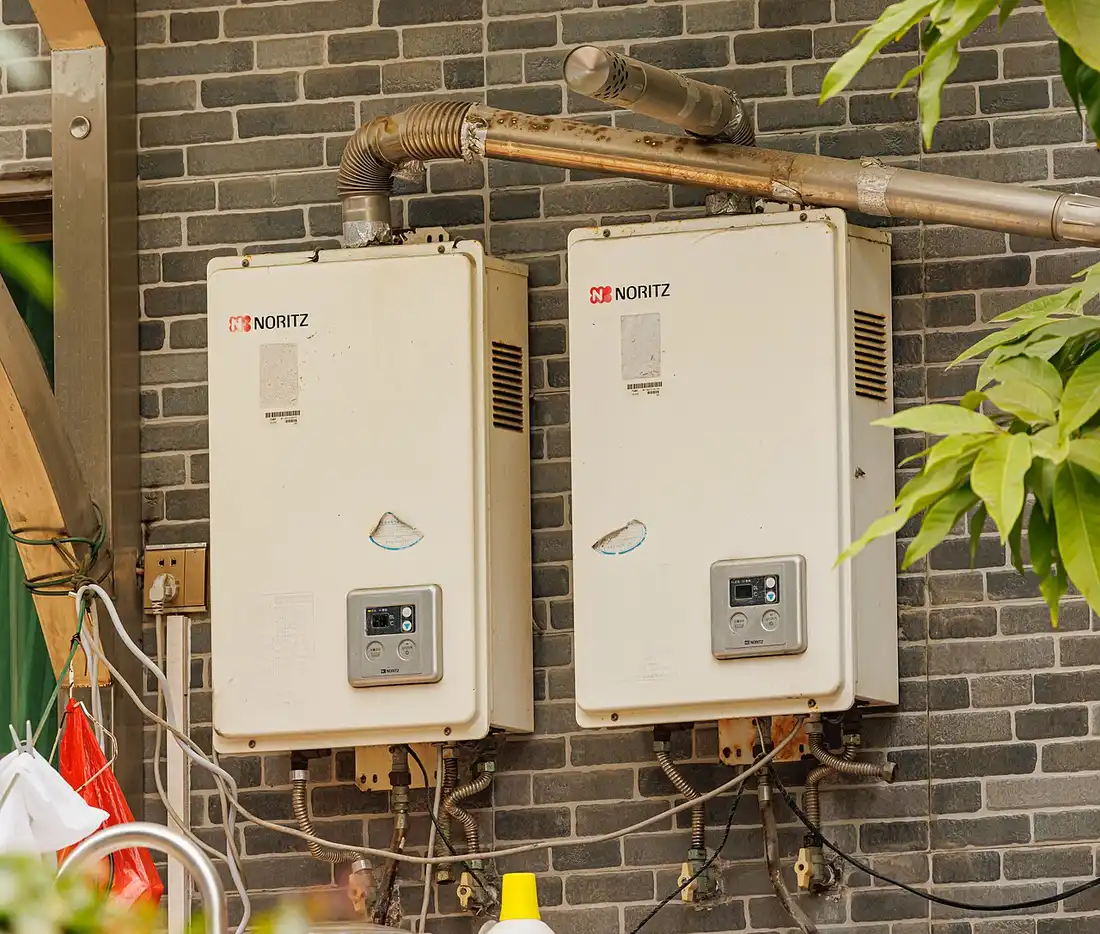
A dead heater and a tired one read alike at the tap: the first points to power, gas or a failed element or burner; the second, to sediment stealing the tank's working volume and recovery.

Rumbling, popping or kettle noises

Steam and turbulence under a sediment layer make a working heater audible from the next room. Noise is sediment's signature, and it means the tank is cooking its insulation instead of its water.

Rusty or discolored hot water

Color on the hot side only points inside the tank - corrosion products from a vessel whose protective anode was spent years ago. Color on both sides points at the supply instead.

Water around the base

A puddle's source decides everything: a valve or fitting weeping is a repair; the tank's own seam or bottom weeping is the vessel retiring, and it does not reverse.

A pilot that will not stay lit, or breakers that trip

Combustion and electrical faults each have their component lists - thermocouples, gas valves, elements, thermostats - and each is a part-level repair on a sound tank.

Hot water that runs too hot, then cold

Temperature swings describe failing controls or a dip tube come apart inside the tank, sending cold water to the top. Both are diagnosable, and both are component stories, not tank stories.

Why Water Heater Repair Is a Standing Job in Wichita

Sediment is the biography of every Wichita water heater. Hard water heated is hard water precipitating, and a tank that is never flushed builds its mineral layer year over year - insulating the bottom, forcing longer burns, baking the lower element, and stressing the steel with every cycle. The heaters that die young in this county are rarely defective; they are unflushed, in water that punishes exactly that neglect.

The anode rod is the tank's appointed sacrifice: a metal core designed to corrode so the tank's lining does not. In Wichita's water the appointment runs short, and once the rod is spent the corrosion moves to the vessel itself - the rusty water and the eventual seam leak are the same story read at different chapters. Rod checks are the soundest life extension a tank can be given, and the least commonly done.

Repair economics follow the evidence. Components fail on their own schedules and are replaceable on a sound vessel; the vessel fails once. The visit's craft is in the sorting - age, condition, the state of the anode and the sediment, the repair's size against the tank's remaining chapters - and in saying plainly when a repair is money spent renting a little time from a tank that has already decided.

Water Heater Repair Through the Wichita Year

Summer splits in two: the storm tail of June, when the last big rains finish the season's argument with the drains, and the long bake that follows. In the bake, the clay soil dries and shrinks away from buried laterals, opening joints that will drink the fall rains; irrigation systems run daily and expose every weak backflow and split lateral line; and water heaters work their steadiest hours supplying the season's showers and laundry. A leak in summer is a water bill discovered in August.

Fall is the honest season for plumbing: the storm pressure is past, the freeze has not arrived, and there is time to do the renewal work on a schedule instead of in a crisis. Water heaters get assessed before the winter's full-time duty, hose bibs and outdoor lines get drained and closed, crawl-space pipes get their insulation, and the sewer line that misbehaved in the spring rains gets its camera inspection while the ground is still diggable. Fall plumbing is cheap precisely because it is early.

Wichita winters swing: mild weeks, then an Arctic front that parks single-digit cold over the plains for days. Pipes in exterior walls, crawl spaces and unheated garages freeze in rough order of their exposure, and the burst usually announces itself at the thaw, not the freeze. The holiday weeks load the other half of the system - disposals, dishwashers and guest-bathroom drains at their annual maximum. Winter plumbing is triage: stop the water, then read what the cold actually did.

Water Heater Repair in Depth

A water heater's failures are almost never sudden in origin - they are the harvest of small accumulated neglects: the anode consumed a year past its watch, the flush skipped until the sediment insulated the burner, the drip at the union read as character. Repair work at its best resets that clock rather than merely silencing the symptom, which is why the good repair visit always includes the anode, the pan and the valve in its survey.

The repair-versus-replace threshold deserves its reputation as plumbing's honest moment, because both errors are expensive: repairing a vessel that is itself failing throws good parts into a dying tank, while replacing a sound vessel over a failed thermostat discards years of service. The age, the water's work and the failed part's identity make the call - and a plumber who shows that arithmetic is selling judgment, which is the product actually worth buying.

Choosing the Right Help

Choose the repair visit that inspects beyond the complaint: the failed part named, the anode read, the pan checked, the arithmetic of repair-versus-replace shown in the open. A heater is a system wearing one symptom; the provider who treats the system is the one whose repairs stay repaired.

The Ground and Water Behind It

Start with the water itself. Wichita's municipal supply - drawn from Cheney Reservoir and the Equus Beds aquifer - arrives hard, carrying a mineral load that precipitates out wherever water is heated or left standing. Scale builds inside water heaters, narrows old galvanized lines, crusts faucet aerators and shower heads, and shortens the life of every appliance valve in the house. Plumbing in Wichita is therefore never just about pipes; it is about what the water does to them, year after year.

The ground is the second author of Wichita plumbing. Much of Sedgwick County sits on expansive clay that swells when wet and shrinks in drought, and that slow breathing moves everything buried in it: sewer laterals sag and separate at the joints, service lines flex at their fittings, and slab foundations transmit the motion to the pipes inside them. Add the freeze-thaw winters, when shallow lines and unheated crawl spaces meet single-digit nights, and the county's buried plumbing works harder than the plumbing itself ever planned to.

How Water Heater Repair Works

Triage the tank first

Age, symptoms and a look at the water and the base sort the call: component failure, maintenance failure, or vessel failure - each with its own honest answer.

Test the accused parts

Elements, thermostats, valves, ignition and venting are checked in the order their symptoms accuse them, so the replaced part is the failed part.

Flush and inspect where the tank earns it

Sediment is drawn off, the anode's state assessed, and the relief valve proven - the maintenance the tank's remaining life depends on.

Give the verdict in writing

What was repaired, what the tank's remaining chapters honestly look like, and when replacement planning should start - so the next heater event is a schedule, not a flood.

Doing It Yourself vs a Professional

The DIY Route

  • Replacing heating elements without draining and isolating properly trades a component job for a flood and a shock hazard in the same hour
  • Lighting and adjusting gas controls by guesswork is combustion work without combustion knowledge - the failure modes are not plumbing-shaped
  • Turning a weeping relief valve into a plugged relief valve converts a warning device into a pressure vessel's missing conscience
VS

The Professional Route

  • Sorts component from vessel failure with evidence shown - age, anode, sediment, water - before recommending anything
  • Replaces the part that failed, and can say why the others were ruled out
  • Leaves a written remaining-life read, so replacement planning starts while the tank still works

Keep It From Coming Back

Most water heater repairs are appointments the water scheduled years in advance. These habits are how owners take the scheduling back - small, calendared, and aimed squarely at Wichita's sediment and scale.

  • Flush several gallons from the drain valve on the schedule the manual sets - in Wichita's water, yearly is the rhythm that keeps sediment a layer instead of a landscape.
  • Have the anode rod checked at the first sign of discolored hot water; a rod is a part, a tank is a project.
  • Keep the heater's area clear and its pan drained where fitted - the first leak should be visible, not absorbed into stored paint cans.
  • Set storage temperature sensibly (around 120 degrees is the common guidance) - hotter water scales faster and stresses everything downstream.
  • Write the installation year on the tank in marker; age is the first fact every future diagnosis will want.
Water Heater Repair in the Surrounding Communities

The communities around Wichita share its water, its clay and its freeze-thaw winters - with their own twists of housing era, slab construction and well-and-septic edges.

Water Heater Repair in Clearwater

Clearwater is a small railroad-era city southwest of Wichita on the Chikaskia River, with a historic downtown and a mix of older homes and new subdivisions drawing commuters to the metro. Its older streets keep plumbing as old as the town; its edges run wells, septic systems and long rural lines.

Water Heater Repair in Mulvane

Mulvane is an old railroad town south of Wichita on the Arkansas River, with a preserved Main Street and depot, newer growth near the Kansas Star Casino, and a strong small-city identity. The river's low ground frames the town - and keeps its basements, laterals and sump pumps busy.

Water Heater Repair in Rose Hill

Rose Hill is a growing Butler County town southeast of Wichita, where newer subdivisions and acreage homes have spread around its schools. It draws families who want country space within commuting range - and its plumbing splits between new subdivision systems and farmstead wells and septic lines.

Water Heater Repair in Bel Aire

Bel Aire is a growing city on Wichita's north edge, built around lakes, parks and newer subdivisions along the K-254 corridor. It has grown from a small community into one of the metro's active family suburbs, plumbing each new street as it goes.

Where Water Heater Repair Is Needed Most

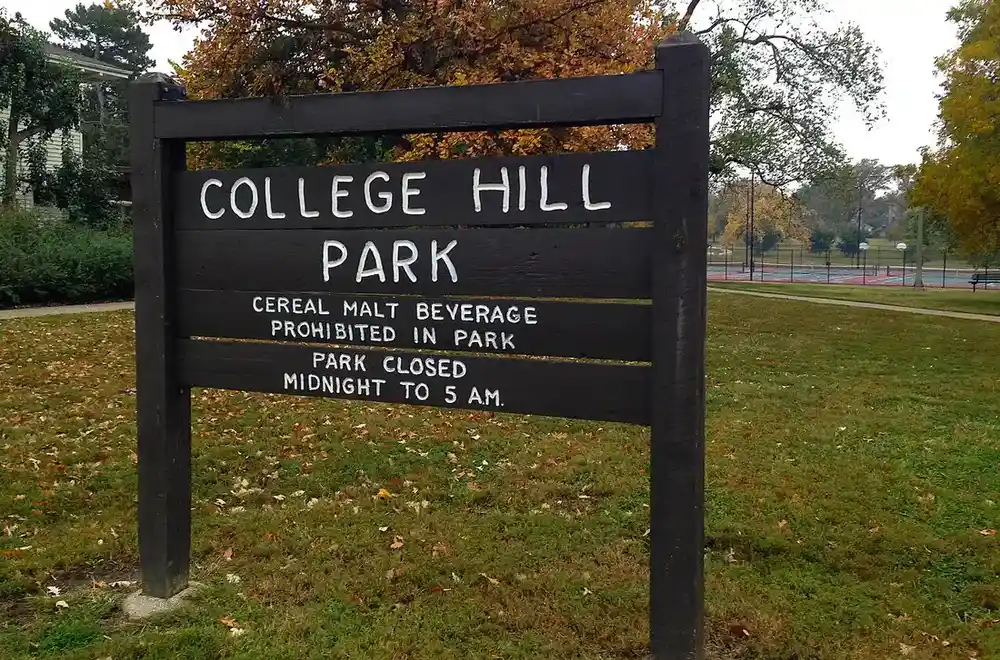
In the historic core and the east side - Riverside, College Hill, Eastborough, Downtown Wichita, Old Town and Delano, Midtown, South Wichita, Planeview, Oaklawn - the pipe stock runs from Wichita's oldest galvanized and clay to the boom-decade copper of the postwar subdivisions, and water heater repair follows that record: century-old systems in the core, mid-life stock in the subdivisions, and hard water working on all of it at the same rate.

Across the east and west growth sides and the north side - East Wichita, Northeast Wichita, Uptown Wichita, West Wichita, Southwest Wichita, Auburn Hills and North Wichita, Benjamin Hills, Northwest Wichita, Derby, Andover, Haysville - sit the slab subdivisions of the 1970s onward, the growth-edge neighborhoods and the second-generation systems now reaching their first renewals, which together make this the steadiest water heater repair territory in the city.

Beyond the city line, the same work runs in Clearwater, Mulvane, Rose Hill, Bel Aire, Park City, Valley Center, Kechi, Maize, Goddard, Newton, Hutchinson - railroad towns, fast-growing suburbs and county-seat communities where acreage wells, septic systems and small-city pipe add their own chapters. Every one of these area pages carries the local detail for water heater repair in that community.

Coverage, In Full

Water Heater Repair runs across the whole service map: Riverside, College Hill and Eastborough; Downtown, Old Town, Delano and Midtown; East Wichita, the northeast growth edge and Uptown; South Wichita, Planeview and Oaklawn; the west side, Southwest Wichita and Auburn Hills; North Wichita, Benjamin Hills and Northwest Wichita; and beyond the city in Derby, Andover, Haysville, Clearwater, Mulvane, Rose Hill, Bel Aire, Park City, Valley Center, Kechi, Maize, Goddard, Newton and Hutchinson. One call covers all of it - the local pages above carry the detail for each. If your street is not named here, call anyway: routes grow with demand, and most Sedgwick County addresses are already within reach of a scheduled run.

From the Wichita Plumbing Guides

Hard Water in Wichita: What It Is Doing to Your Plumbing

Wichita's supply, drawn from Cheney Reservoir and the Equus Beds aquifer, carries a real mineral load - the city's water is hard, and every heated or slowed drop leaves a deposit behind in your plumbing. Hard water's damage is cumulative and mechanical: scale insulates water-heater elements and burners, crusts toilet jets and flappers, narrows aerators, and shortens the life of every seal and valve it bathes.

Read the Guide

Water Heater Repair or Replace? The Wichita Owner's Decision Guide

The decision turns on one distinction: parts fail and are repaired; vessels fail and are replaced. A thermostat, element, valve or anode is a part. A leaking seam or tank bottom is the vessel announcing itself. Wichita's water moves the threshold: scale and sediment age a tank faster here, so the same failure means repair on a young maintained unit and replacement on an old neglected one.

Read the Guide

Thinking Tankless? The Wichita Guide to Flow, Scale and Fit

Tankless units heat water as it flows, so their limit is rate, not volume: the sizing question is how many fixtures run at once in January, when inlet water is coldest and every unit's capacity is at its yearly low. Wichita's hard water is the format's local tax: heat exchangers scale, capacity fades, and the annual descale - with service valves fitted at installation - is the non-negotiable rent on the technology's long life.

Read the Guide

Water Heater Repair Questions

What is an anode rod and why does it matter?

It is a sacrificial metal rod suspended inside the tank, plumbed to corrode in place of the tank's steel lining. When it is consumed - in Wichita's water, sooner than owners expect - corrosion takes the vessel instead. Checking and renewing it is the simplest extension of a tank's service life that exists.

Can a leaking water heater be repaired?

Leaks at valves, fittings and the relief line, yes. Leaks from the tank's body - its seams, its bottom, its welds - no: the vessel is a pressure container at the end of its integrity, and replacement is the only honest answer. Locating the water's true source is therefore the first act of any heater leak visit.

Why does my pilot light keep going out?

The usual causes are component-level: a tired thermocouple no longer proving the flame, a gas valve faulting, a venting or draft problem cooling the combustion, or sediment-driven overheating tripping safeties. Each is testable, and none requires guessing - a sound tank with a pilot problem is a repair, full stop.

What affects the cost of water heater repair in Wichita?

Which component failed, the tank's age and condition, access to the unit, and whether sediment or corrosion has invited friends. A thermostat on a healthy five-year tank and an element in a scaled twelve-year vessel are different jobs - the triage is what prices them honestly.

Why does my water heater in Wichita make rumbling noises?

Sediment. Wichita's hard water drops its minerals as it heats, and the layer on the tank's bottom traps water against the hot surface until it flashes to steam - the rumble and pop you hear. It is the sound of efficiency leaving and stress arriving; a flush quiets a young tank, and on an old one it is the overture to the replacement conversation.

Is it worth repairing an older water heater in Wichita?

It depends on which story the failure is. A thermostat, element or valve on a sound, mid-life tank is a rational repair. The same parts on a tank whose anode is spent, whose water runs rusty and whose sediment is a landscape are rent paid on a short remaining lease. The triage - age against condition - is what the visit is for, and the evidence is shown, not asserted.

How long should a water heater last in Wichita?

In this water, a tank that is never flushed or anoded lives a shorter life than its counterparts in soft-water country - the sediment and corrosion clocks both run fast here. Maintained tanks, flushed on schedule with rods renewed, reach the long end of the normal range. The variable is almost never the brand; it is the maintenance the water demands.

My hot water runs out much faster than it used to in Wichita. Why?

Three usual suspects: sediment occupying the tank's bottom and shrinking its effective volume; a failed lower element or burner section leaving only half the tank working; or a broken dip tube letting incoming cold water short-circuit to the outlet. Each has a different fix, and each is diagnosable at the tank in one visit.

Please note: Wichita Plumbing Pros is an independent directory and referral service, not a plumbing contractor. The professionals reachable through this site are independent businesses; any agreement for work is between you and the professional you engage. Service information on this site is general educational material - the scope of any real plumbing work is set by an on-site inspection.

A Burst Pipe, a Backed-Up Drain or a Water Heater Gone Cold?

One call connects you with a plumbing professional serving Wichita and the surrounding communities - diagnosis, repair and a clear scope before work starts.

📞 Call Now
📞 Call Now