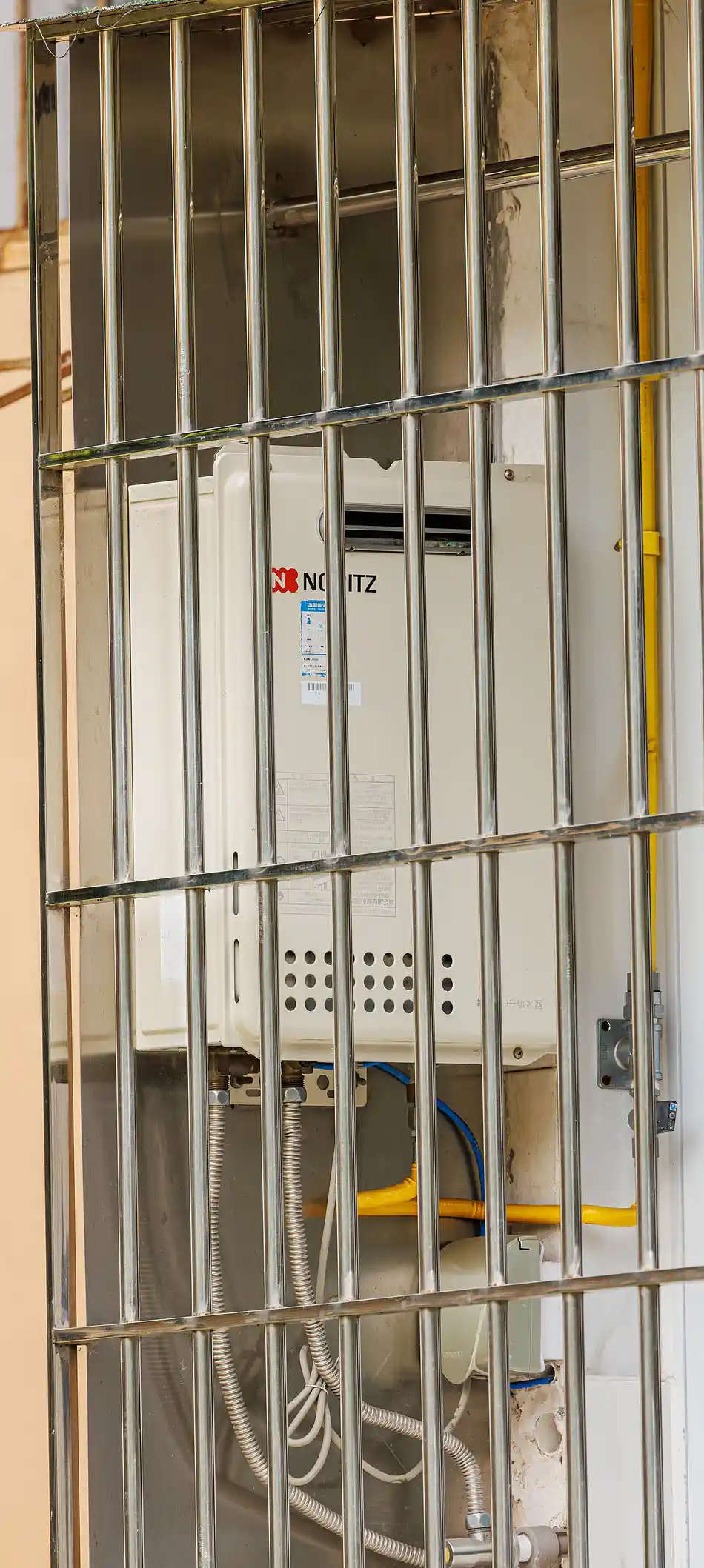
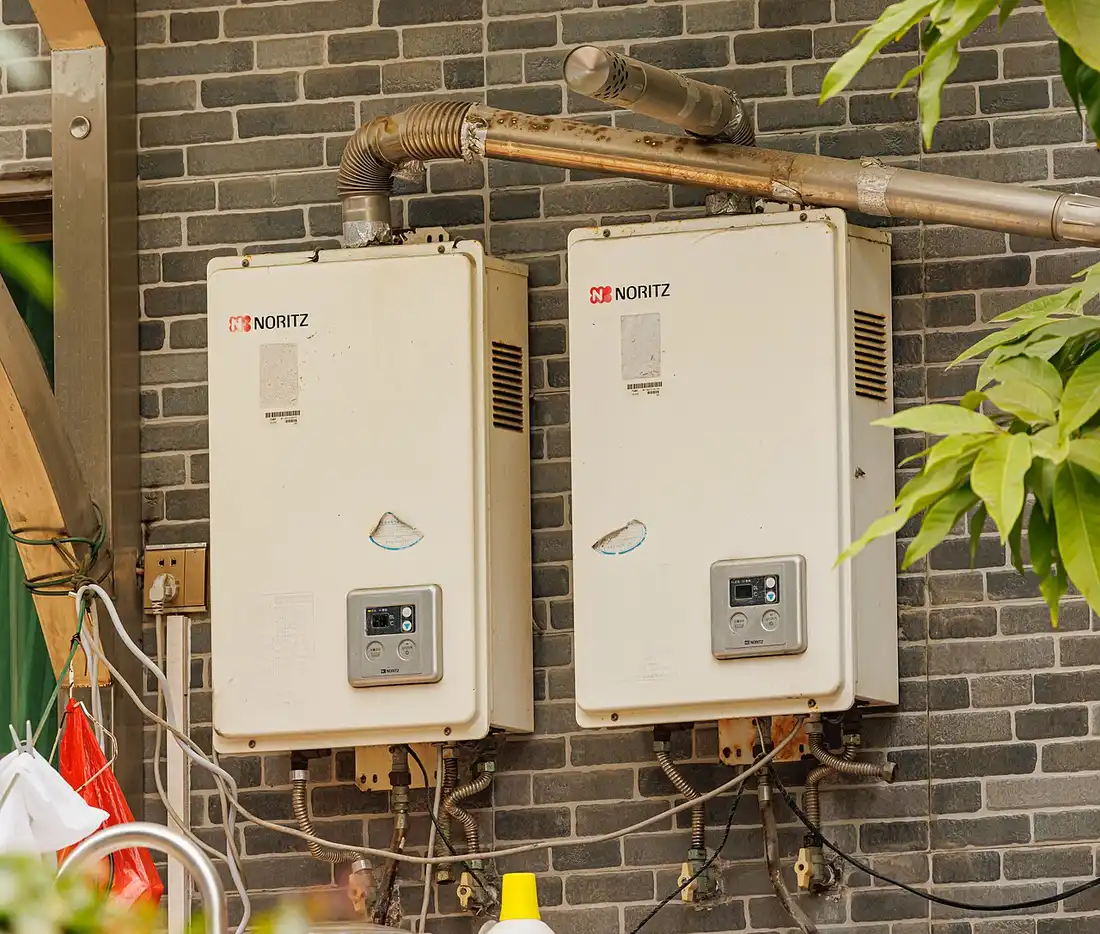
The decision turns on one distinction: parts fail and are repaired; vessels fail and are replaced. A thermostat, element, valve or anode is a part. A leaking seam or tank bottom is the vessel announcing itself.
Problem: The decision turns on one distinction: parts fail and are repaired; vessels fail and are replaced. A thermostat, element, valve or anode is a part. A leaking seam or tank bottom is the vessel announcing itself.
Solution: Wichita's water moves the threshold: scale and sediment age a tank faster here, so the same failure means repair on a young maintained unit and replacement on an old neglected one.
When to call: Ask three questions of any recommendation: Which part failed, and how do we know? What is the vessel's condition independent of this failure? What does the repair buy in expected years? The answers, stated plainly, make the decision for you.
Every water heater eventually stages the same kitchen-table debate: the repair is offered, the replacement is priced, and the owner is left refereeing between a plumber's advice and a budget's anxiety. In Wichita the debate has a local accent, because the water here ages tanks on a faster clock than the national averages assume. This guide lays out the framework the decision actually runs on - the distinction between parts and vessels, the way age and maintenance history shift the threshold, and the exceptions that break the rules in both directions.
The Wichita Angle
Start with the water itself. Wichita's municipal supply - drawn from Cheney Reservoir and the Equus Beds aquifer - arrives hard, carrying a mineral load that precipitates out wherever water is heated or left standing. Scale builds inside water heaters, narrows old galvanized lines, crusts faucet aerators and shower heads, and shortens the life of every appliance valve in the house. Plumbing in Wichita is therefore never just about pipes; it is about what the water does to them, year after year.
Parts versus vessels: the distinction that decides
A water heater is two things wearing one jacket: a pressure vessel - the tank itself, its lining, its seams - and a set of serviceable parts bolted to it. Thermostats, heating elements, gas valves, igniters, thermocouples, pressure relief valves, dip tubes and anode rods are parts: designed to be replaced, priced accordingly, and honest repairs on any vessel worth keeping. The vessel is the opposite: it cannot be repaired at all. A seam that weeps or a bottom that drips is not a repair ticket; it is the tank's resignation letter, and every part replaced afterward is money spent inside a condemned building.
Most decision confusion is a category error between those two. The owner hears 'the water heater is broken' as one fact, when it is always two: which part failed, and what is the vessel's condition independent of that failure? A nine-year-old tank with a failed element and a sound, well-kept vessel is a repair. A nine-year-old tank with the same failed element and rust weeping at its base seam is a replacement that happens to also need an element. Insist on both answers, separately, and the decision usually announces itself.
Age, water and the moving threshold
The national rule of thumb - compare the repair against the unit's age - survives contact with Wichita only after a local correction. Hard water and its sediment load mean an unmaintained Wichita tank ages faster than the same model in softer country, while a flushed, anode-kept tank here can out-serve an average unit anywhere. The calendar age on the label is therefore the weakest evidence in the room. The strong evidence is the service biography: flush history, anode condition, sediment depth at the drain, rust at the fittings. Two tanks of identical age and model, one maintained and one not, are different assets, and the threshold moves accordingly.
The repair's proportion matters as the second axis. A minor repair on a mid-life tank is arithmetic anyone can sign. As repairs grow - in cost and in frequency - the question shifts from this failure to the pattern: parts failing in sequence on an aging vessel are the tank spending its remaining life in installments, each purchased at retail with a service call attached. The household that tracks its heater's repair history in the house file can see that pattern form; the one that pays each visit as a surprise meets the replacement the expensive way, as the sum of all the repairs plus the tank.
PROBLEM
→
SOLUTION
The exceptions that break the rule both ways
Some replacements are right on young tanks. A vessel showing rust at its fittings in year six has declared a lining failure no part can cure. A household whose demand has genuinely outgrown the unit - the added bathroom, the soaking tub - is not repairing a failure at all but correcting a sizing, and replacement is the honest name for it. Repeated element failures on an electric unit in heavy scale can indict the water's toll on that specific install, and the replacement conversation then properly includes the provisions - flushing access, rod clearance, treatment - that change the next unit's fate.
And some repairs are right on old tanks. The seventeen-year-old unit with a documented flush history, a sound vessel and a failed thermostat is not a fool's repair; it is a good asset asking for a cheap part, and replacing it on schedule-worship alone discards real service. The framework protects owners from both sales directions: the premature replacement and the installment-plan decline. What it asks in return is only evidence - the vessel's condition, the part's identity, the service biography - and a recommendation willing to show its work.
The Cold-Shower Fallacy and Other Bad Evidence
The commonest bad evidence in the repair debate is the symptom's drama. A cold shower feels like a dead appliance, yet its commonest authors are a thermostat, an element or a dip tube - parts with modest price tags. Conversely, the quietest symptom - a teacup of water in the pan, a rust freckle at the base seam - is the vessel's death notice. Owners who grade by drama replace sound tanks over failed thermostats and repair dying ones because they still make hot water. The two-question framework exists precisely to replace drama with evidence.
The second bad evidence is the age slogan, in both directions: 'over ten years, replace it' discards maintained vessels with years of service banked, while 'it still works, keep repairing' ignores the installment arithmetic of a vessel failing part by part. Wichita's water makes both slogans worse, because it spreads the same model's outcomes across an unusually wide range. Biography beats birthday, every time, in both directions.
What the Replacement Buys Beyond Hot Water
When replacement is the verdict, its scope deserves the same evidence discipline as the decision did: the sizing revisited against the household that lives there now, the provisions - expansion, pan, shutoffs, drain access - installed as part of the job, the anode clearance left for the next decade's maintenance. A replacement that copies the old installation's omissions buys a new tank on an old fate; the provisions are where the next tank's biography gets written better than the last one's.
There is also a documentary dividend: the new unit starts the house file's cleanest page - install date on the tank, paperwork in the folder, the flush calendar opened. Owners who treat the replacement as a record-keeping event, not just an appliance event, make every future decision about that heater cheaper to reach, including the one that ends its service in another decade or so.
Myth vs Fact
The Myth
A water heater over ten years old should always be replaced at the first repair. The round number is memorable, repeatable and printed in enough places to feel like engineering.
VS
The Fact
The vessel's condition and the failed part make the call - age only testifies. A maintained twelve-year-old tank with a failed thermostat is a sound asset needing a part; a rusting eight-year-old is a replacement that happens to still heat. In hard water the spread between maintained and neglected is years wide, and the calendar cannot see it.
The Related Service, In Depth
An installation is the one plumbing job whose quality is fully decided before the first wrench turns: the sizing arithmetic, the provisions list, the venting plan. Everything after is execution of decisions already made. Owners who spend their attention at the decision stage - interrogating the size, insisting on the provisions - are buying the decade; owners who spend it watching the swap are buying an afternoon.
That is the service side of this guide's subject. When you are ready, the Water Heater Installation page carries the process, the coverage by neighborhood and the number to call.
The Process, Step by Step
Separate the two questions
Which part failed - and what is the vessel's condition if that part were perfect? Get both answers before discussing either scope.
Read the biography, not the birthday
Flush history, anode condition, sediment at the drain, rust at the fittings. The maintained old tank and the neglected young one are both common in this water.
Ask what the repair buys
In expected years of sound service, stated plainly. A repair that buys a season on a failing vessel and a repair that buys five years on a sound one share a work order format and nothing else.
Decide the provisions with the scope
Repairing: renew the anode and flush while the visit is open. Replacing: size from the household and install the expansion, pan and access the next decade needs.
Prevention Checklist
Keep the heater's biography in the house file: install date, flush dates, anode checks, every repair. The decision this guide describes runs on that file.
Flush on schedule - it is the act that keeps your future threshold generous, by keeping the vessel's age closer to its calendar age.
Read the pan and the floor monthly with a glance; the vessel's first announcement is quiet, and catching it converts an emergency into an appointment.
Never authorize a major part on a vessel nobody has inspected; the two-question rule costs one minute and prevents the classic wasted repair.
When you replace, record the install date on the unit itself - the next debate starts with better evidence because of it.
A Field Checklist for Your Own Home
Ask the two questions separately
which part failed, and what is the vessel's condition?
Demand the biography's evidence
sediment at the drain, the anode in hand, the seams inspected.
Price both scopes with the expected years stated, then decide - not before.
Whichever scope wins, leave the visit with provisions renewed and the record updated.
What the Paperwork Should Show
The decision's time horizon deserves one explicit sentence in every kitchen-table debate: a repair is priced against the years it buys, a replacement against the decade it opens. Households planning to stay read the numbers generously toward renewal; households preparing to sell read them toward honest function and disclosure. Neither reading is wrong, and stating the horizon aloud usually ends the argument the slogans started.
There is also the failure's location to weigh: a vessel near its end above a finished room is a different risk than the same vessel over a garage drain pan. The scope that protects the ceiling below is sometimes the replacement bought early - not from fear, but from the arithmetic of what a midnight failure costs in that specific house.
How a Professional Works This Problem
A professional decision visit separates the two questions in front of you: the failed part identified and evidenced, the vessel's condition read independently - sediment at the drain, anode in hand, seams and fittings inspected - and the recommendation priced both ways with the expected years stated. The owner is not buying an opinion; they are buying the evidence the opinion rests on, shown. That transparency is the professional product, and it survives whichever scope is chosen.
Mistakes That Make It Worse
Approving a major part replacement on a vessel nobody inspected.
Replacing a maintained tank on its birthday while its biography says it has years banked.
Repairing a seam weep, a bottom drip or any leak whose origin is the tank's own body.
Copying the old installation's missing provisions into the new one - the new tank inherits the old fate.
The Bottom Line
Repair or replace is not a riddle and not a slogan; it is two questions, a biography and a horizon. Owners who insist on the evidence - the part named, the vessel read, the years stated - find that the decision makes itself, and that it survives the morning after. The tank will stage this debate exactly once per failure. Arrive with the framework, and the debate is short.
Older Wichita homes drain through clay tile or cast-iron laterals whose sections are sound but whose joints - opened by decades of expansive-clay movement - admit the roots that do the visible damage.
Plumbing prices are scope wearing a number: the same named job - a leak, a clog, a heater - spans a wide range because the underlying situations differ in access, condition, footage and code work.
My water heater is leaking from the bottom. Is that repairable?
No - a leak from the tank's body, seam or bottom is the vessel itself failing, and vessels are replaced, not repaired. Distinguish it from leaks at the fittings, the drain valve or the relief valve above, which are parts and connections and entirely repairable. The drip's exact origin is the whole diagnosis, which is why the first act of any leak visit is locating it precisely.
The repair costs a big share of a new unit. Replace?
That ratio is a real signal but a crude one; refine it with the vessel's condition and the expected years the repair buys. A large repair on a sound, maintained vessel that returns it to full service can be right; a small repair on a rusting vessel is wrong at any price. The ratio asks the question - the two-question framework answers it.
How long do water heaters actually last in Wichita?
In this water, the honest range is set by maintenance more than by model: neglected tanks commonly fail at the short end of the usual span, while flushed, anode-kept units serve years past it. The city's sediment load is the tax; the flush and the rod are how it is lawfully avoided. Your unit's biography is a better predictor of its remaining life than any chart - including this paragraph.
Should I just replace it before it fails, on a schedule?
Planned replacement is a legitimate strategy where the failure's cost is high - a heater above finished space, a household that cannot absorb a cold-water emergency - because it trades a small amount of remaining service for total control of timing. Where the unit sits over a drain pan in an unfinished garage, running a sound vessel to its honest end wastes nothing. The location, not the calendar, usually arbitrates.
Please note: Wichita Plumbing Pros is an independent directory and referral service, not a plumbing contractor. The professionals reachable through this site are independent businesses; any agreement for work is between you and the professional you engage. Service information on this site is general educational material - the scope of any real plumbing work is set by an on-site inspection.
A Burst Pipe, a Backed-Up Drain or a Water Heater Gone Cold?
One call connects you with a plumbing professional serving Wichita and the surrounding communities - diagnosis, repair and a clear scope before work starts.