Water Heater Installation Through the Wichita Year
Fall is the honest season for plumbing: the storm pressure is past, the freeze has not arrived, and there is time to do the renewal work on a schedule instead of in a crisis. Water heaters get assessed before the winter's full-time duty, hose bibs and outdoor lines get drained and closed, crawl-space pipes get their insulation, and the sewer line that misbehaved in the spring rains gets its camera inspection while the ground is still diggable. Fall plumbing is cheap precisely because it is early.
Wichita winters swing: mild weeks, then an Arctic front that parks single-digit cold over the plains for days. Pipes in exterior walls, crawl spaces and unheated garages freeze in rough order of their exposure, and the burst usually announces itself at the thaw, not the freeze. The holiday weeks load the other half of the system - disposals, dishwashers and guest-bathroom drains at their annual maximum. Winter plumbing is triage: stop the water, then read what the cold actually did.
Spring is storm season in Wichita, and it is plumbing season too. From March into June, heavy plains rain tests every drain and lateral in the county: sump pumps run for days on the low ground, older sewer lines surcharge where storm water finds its way in, and the basement fixtures of river-adjacent neighborhoods learn where they stand relative to the street sewer. Spring is also when winter's hidden damage declares itself - the line that froze and split behind a wall, weeping quietly since January.
Water Heater Installation in Depth
An installation is the one plumbing job whose quality is fully decided before the first wrench turns: the sizing arithmetic, the provisions list, the venting plan. Everything after is execution of decisions already made. Owners who spend their attention at the decision stage - interrogating the size, insisting on the provisions - are buying the decade; owners who spend it watching the swap are buying an afternoon.
The new tank's first year also writes its maintenance biography. The flush performed at month twelve establishes the sediment baseline; the anode's first check dates the water's appetite in that specific install. Installations that hand the owner those two dates, in writing, convert an appliance into a managed asset - and in hard-water country, management is the entire difference between the tank that serves a long life and the one that merely had one available.
Choosing the Right Help
Choose the installer by the questions: if the sizing conversation covers the household's peak, the winter inlet and the provisions before it covers the appliance, you are talking to an installer. The unit is the commodity; the decisions around it are the product, and the decade will grade them, not the afternoon.
The Ground and Water Behind It
Start with the water itself. Wichita's municipal supply - drawn from Cheney Reservoir and the Equus Beds aquifer - arrives hard, carrying a mineral load that precipitates out wherever water is heated or left standing. Scale builds inside water heaters, narrows old galvanized lines, crusts faucet aerators and shower heads, and shortens the life of every appliance valve in the house. Plumbing in Wichita is therefore never just about pipes; it is about what the water does to them, year after year.
The ground is the second author of Wichita plumbing. Much of Sedgwick County sits on expansive clay that swells when wet and shrinks in drought, and that slow breathing moves everything buried in it: sewer laterals sag and separate at the joints, service lines flex at their fittings, and slab foundations transmit the motion to the pipes inside them. Add the freeze-thaw winters, when shallow lines and unheated crawl spaces meet single-digit nights, and the county's buried plumbing works harder than the plumbing itself ever planned to.
How Water Heater Installation Works
Size from the household, not the old label
Bathrooms, occupants, the big tub and the laundry rhythm are counted honestly, with winter inlet temperatures in the arithmetic.
Set the provisions with the unit
Expansion tank, drain pan and path, shutoffs, drain access and anode clearance are planned as part of the installation, not as afterthoughts.
Install, vent and prove
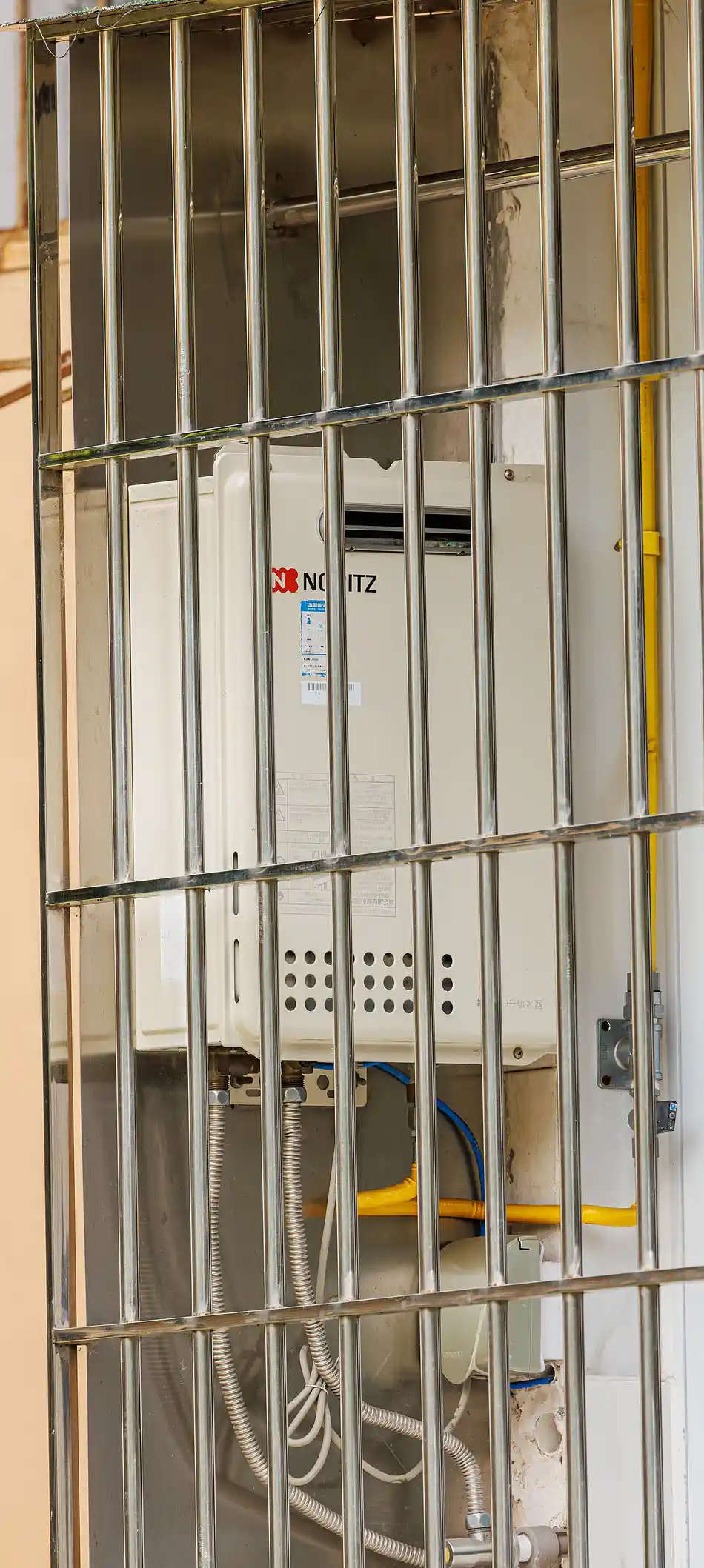
The unit is set, connected and commissioned - vent draft verified on gas units, elements and controls proven on electric, every joint pressure-checked dry.
Hand over the maintenance rhythm
You get the flush schedule, the anode story and the warranty paperwork, with the installation date recorded on the unit itself.
Doing It Yourself vs a Professional
The DIY Route
- Hauling a new tank in and copying the old connections copies the old installation's sins too - including the venting fault you cannot see from the front
- Firing a new electric tank before it is completely full cooks the elements in minutes, and the warranty conversation afterward is short
- Skipping the expansion tank because the old install lacked one makes every faucet in the house absorb the thermal growth the old system leaked away
VS
The Professional Route
- Sizes from the household's peak demand and the Kansas winter inlet temperature, and shows the arithmetic
- Installs the provisions - expansion, pan, drains, shutoffs - as part of the job, not as options read aloud afterward
- Proves the venting and the controls at commissioning, and leaves the maintenance schedule in writing
Keep It From Coming Back
A new installation's lifespan is decided by the habits installed alongside it. These are the practices that make the new tank's second decade as reliable as its first year.
- Choose the installation date yourself where you can - a planned swap in a calm week beats the same job at emergency tempo every time.
- Flush on the schedule the new manual sets; the first year's habit is the one the tank keeps.
- Record the install date and model on the unit in marker, and keep the paperwork with the house file.
- Check the pan and the floor around the tank monthly with a glance - the first sign of the next decade's problem should be a sighting, not a flood.
- Have the anode assessed at the first discoloration, years before it becomes the tank's own corrosion.