Sewer Line Repair in Midtown
Sewer Line Repair for Midtown homes - local conditions, a clear process, and one call to get it started.
The first five minutes of a visit in Midtown are all testing - meters, valves, drains, heaters - because testing is what makes the rest of it work.
Backups in Midtown follow the ground's logic. The river-adjacent lots sit low and wet; the postwar subdivisions run clay laterals under mature street trees; the clay soil everywhere swells and shrinks against the buried line. By the time waste appears in a basement tub, the line has usually been describing its condition for seasons - in slow drains, in gurgles, in the spring backup that cleared and was forgiven.
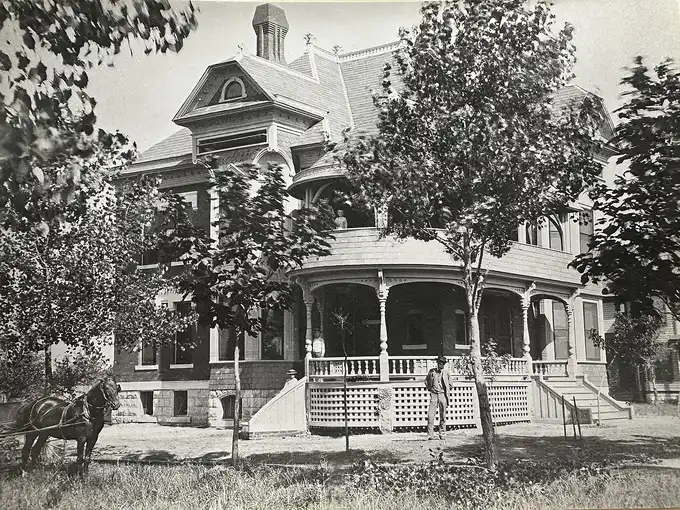
Midtown bridges downtown and the north side, a grid of historic homes around Old Cowtown Museum and Wichita North High School. Some of the city's oldest housing stands here - folk Victorians, bungalows and four-squares - and its plumbing is correspondingly old, repaired in patches across a hundred years.
Local conditions shape the work here. Late-1800s and early-1900s homes with century-old plumbing bones: galvanized supply, cast-iron drains, clay sewer laterals, and generations of patches - and that shapes the plumbing work directly. Patch-on-patch is the Midtown pattern: a galvanized run meets a copper repair meets a plastic one, and each junction is a future leak with an address. For sewer line repair in Midtown, sewer calls here start with the camera - footage before scope, always.
Midtown's character is easiest to read at Old Cowtown Museum on Museum Boulevard, where the neighborhood's age, stock and ground all show at once.
The clay laterals under the old streets are root country. Honest assessment matters here - which sections are truly spent, and which patches are still holding - because whole-house answers and section answers differ by a great deal of digging..
Midtown earns its own page because its facts are its own: wichita neighborhood streets in ZIP 67214, life organized around Old Cowtown Museum on Museum Boulevard, neighbors in Downtown Wichita and Riverside close enough to share a crew's morning. Sewer Line Repair planned for Midtown therefore starts from the neighborhood's actual stock and soil, and finishes with work specified to the house in front of the crew - the same sequence, run block by block, that serves North Wichita and the rest of the route.
On the ground, Midtown is wichita neighborhood territory in ZIP 67214, organized around Old Cowtown Museum on Museum Boulevard and shading into Downtown Wichita on one side and Riverside on another. Crews running sewer line repair here work from that geography outward: the calls cluster where the systems are oldest, the ground is wettest or the exposure is sharpest, and the route that serves Midtown this week serves North Wichita the next, because the water, the clay and the seasons do not respect the boundary lines the map draws between them.
Signs Midtown Homes Need Sewer Line Repair
Sewage in the lowest fixtures
Waste appearing in a basement tub, shower or floor drain is the line's final vocabulary for a downstream failure.
Gurgling toilets and drains after heavy use
Air displaced by a line running too full announces itself through the traps - the sound of a lateral whose open diameter is spoken for by roots, scale or a sag.
A sewer smell in the yard or basement
Odor outside the house along the line's path, or inside at the floor drains, says the sealed system is open somewhere - a cracked section, a failed joint or a dried trap telling on its neighbors.
Why This Work Runs in Midtown
Clay is Wichita's lateral material and its biography. Sectioned clay pipe served this city for a century, and its joints - mortared or gasketed in their eras - are where its story is told: the clay soil shifts, a joint opens a hair, moisture exhales, and a root arrives to widen the door from inside. The line rarely fails in its sections; it fails at its seams, in sequence, which is why camera footage of a Wichita lateral reads like a tour of its joints.
Patch-on-patch is the Midtown pattern: a galvanized run meets a copper repair meets a plastic one, and each junction is a future leak with an address. The clay laterals under the old streets are root country. Honest assessment matters here - which sections are truly spent, and which patches are still holding - because whole-house answers and section answers differ by a great deal of digging.
In Midtown, that plays out street by street - for sewer work, watch the joints - the camera's tour of them is the scope. Local knowledge, Midtown edition: the water, the soil and the housing era all vote on when this work is needed.
Spring is storm season in Wichita, and it is plumbing season too. From March into June, heavy plains rain tests every drain and lateral in the county: sump pumps run for days on the low ground, older sewer lines surcharge where storm water finds its way in, and the basement fixtures of river-adjacent neighborhoods learn where they stand relative to the street sewer. Spring is also when winter's hidden damage declares itself - the line that froze and split behind a wall, weeping quietly since January.
Two things decide how much a visit accomplishes: access and honesty. Access means the professional can reach the shutoffs, the heater and both the fixture and the drain it serves. Honesty means the full history - the backup two summers ago, the drip that stopped on its own, the repair from three owners back. With both, the first visit usually settles the diagnosis for good.
What the season gives the weather, the season also takes away - timing the work to that swing is most of what local experience means.
If the problem involves water near electrical fittings or a finished basement, say so when you book - and shut the water off at the house valve if it is actively spreading. A stopped leak is the most common reason a first visit in Wichita ends with a plan instead of a mop.
How Sewer Line Repair Works in Midtown
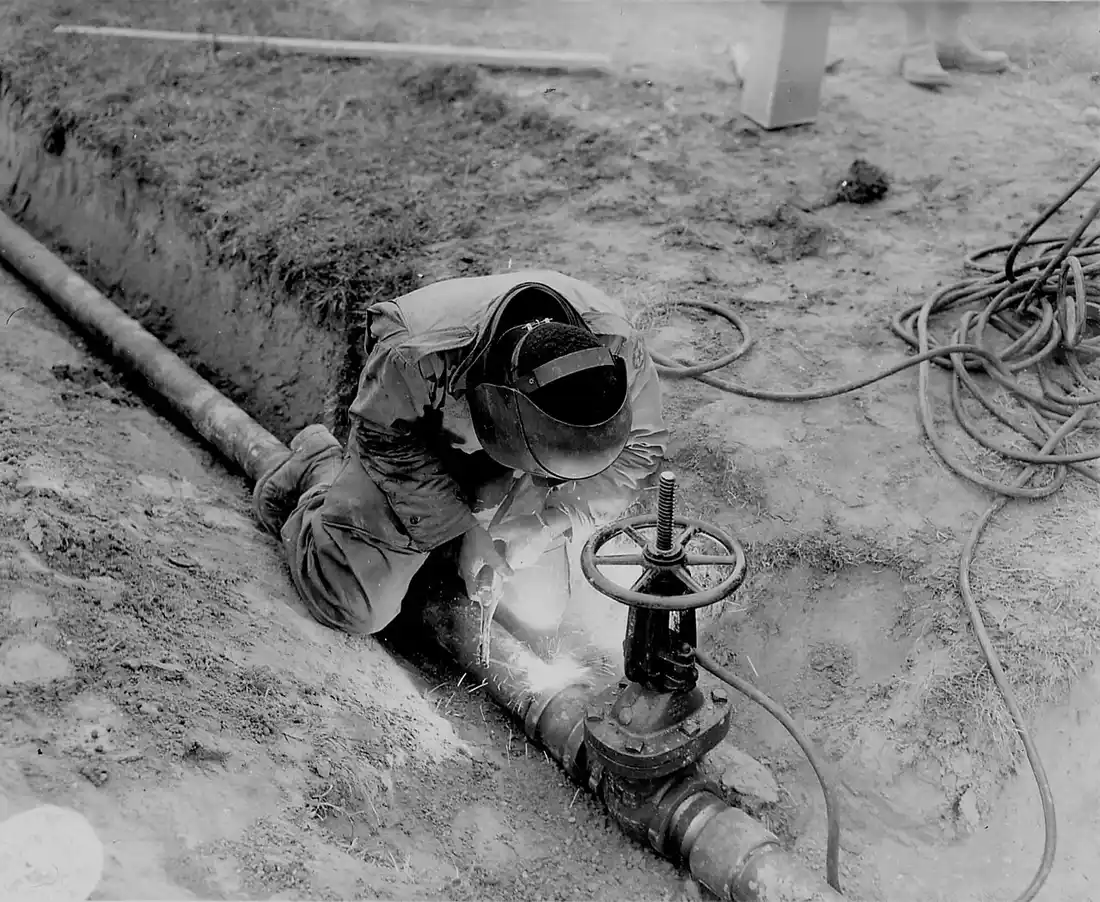
The full step-by-step process for this service - diagnosis, scope, the work itself and follow-up - is laid out on the main Sewer Line Repair page. In Midtown the same sequence runs with the local map in hand: the systems around Old Cowtown Museum on Museum Boulevard, the housing pattern described above, and the ground this neighborhood actually stands on.
The Midtown Angle
In Midtown, the job starts from the ground truth of the neighborhood - the blocks near Old Cowtown Museum on Museum Boulevard, the age of the systems, and the ground they are buried in. Where the failures land hardest follows the housing and the pipes installed with it. Late-1800s and early-1900s homes with century-old plumbing bones: galvanized supply, cast-iron drains, clay sewer laterals, and generations of patches.
What the neighborhood installed, aged and patched fills in the rest. Patch-on-patch is the Midtown pattern: a galvanized run meets a copper repair meets a plastic one, and each junction is a future leak with an address. The clay laterals under the old streets are root country. Honest assessment matters here - which sections are truly spent, and which patches are still holding - because whole-house answers and section answers differ by a great deal of digging. The result, when the work follows the map, is a system that stays fixed and a shorter list of surprises next season.
Midtown does not sit alone on the map. It shares the same water, the same clay and the same freeze-thaw winters as Downtown Wichita, Riverside and North Wichita - the same supply runs through all of them, the same soil works their buried lines, and the same seasons move through all of them within the same few weeks. Homes on these blocks share crews, routes and seasons - which is why a system fixed properly on one street tends to stay fixed.
On the route map, Midtown sits in the wichita neighborhood group, ZIP 67214 - close enough to Downtown Wichita, Riverside that crews work them on the same runs. Crews working a route learn its systems - the repeat backups, the aging heaters, the joints that go first - and sewer line repair gets better every run.
The defect map of Midtown is redrawn every season: last year's slow drain moves, a new drip opens, an old joint finally speaks. Which is why experienced local owners treat assessment as a subscription, not an event - the map is only useful while it is current.
Prevention That Helps in Midtown
- Keep the camera record from any sewer work with the house papers; it is the baseline every future diagnosis compares against.
- After buying an older Wichita home, a sewer camera inspection in the first year is the soundest certainty the purchase offers.
- Treat the first whole-house slowdown as the lateral introducing itself - read early, while the menu still includes managing rather than replacing.
Late-1800s and early-1900s homes with century-old plumbing bones: galvanized supply, cast-iron drains, clay sewer laterals, and generations of patches.
Keep Exploring
Sewer Line Repair nearby:
- Sewer Line Repair in Downtown Wichita
- Sewer Line Repair in Riverside
- Sewer Line Repair in North Wichita
- Sewer Line Repair in Old Town
More services in Midtown:
- Pipe Repair & Repiping in Midtown
- Drain Cleaning in Midtown
- Water Heater Installation in Midtown
- Hydro Jetting in Midtown
See the full plumbing page for Midtown and the Sewer Line Repair overview for Wichita.
Sewer Line Repair in Midtown - Questions
Why does my sewer act up every time it rains hard in Midtown?
Because storm water is entering a line sized for sewage. Open joints and cracks drink groundwater when the water table rises; some older connections take roof or area drainage directly. The line drowns in the extra load and the house backs up - a pattern whose cure is sealing the entries, which the camera locates one by one.
How do I know if my sewer line in Midtown needs repair or just cleaning?
The camera knows. A sound line with a soft blockage cleans and stays clean; a line with roots at a joint cleans and re-roots on a schedule; a bellied or broken line cleans and re-fails on a shorter one. The symptom at the sink cannot tell these apart - which is why the inspection, not the clearing, is the diagnostic event.
What happens after a Sewer Line Repair visit in Midtown?
You get the findings in plain language - what was found, what was fixed, what was renewed and what to watch - plus the care list for your side and the follow-up timing if the system's calendar calls for one. The goal is a quiet house and no surprises.
A Burst Pipe, a Backed-Up Drain or a Water Heater Gone Cold?
One call connects you with a plumbing professional serving Wichita and the surrounding communities - diagnosis, repair and a clear scope before work starts.
📞 Call Now