Leak Detection in Old Town
Leak Detection for Old Town homes - local conditions, a clear process, and one call to get it started.
The Old Town pattern for this work is set by its streets - pipe eras, soil lines and water history layered block by block.
The expensive part of a leak in Old Town is rarely the pipe - it is the finding. Water escaping under a slab, inside a wall or along a buried service line announces itself only as rumors: a bill, a sound, a warm spot, a meter that will not sit still. Leak detection is the discipline of turning those rumors into a location precise enough to open one hole instead of five.
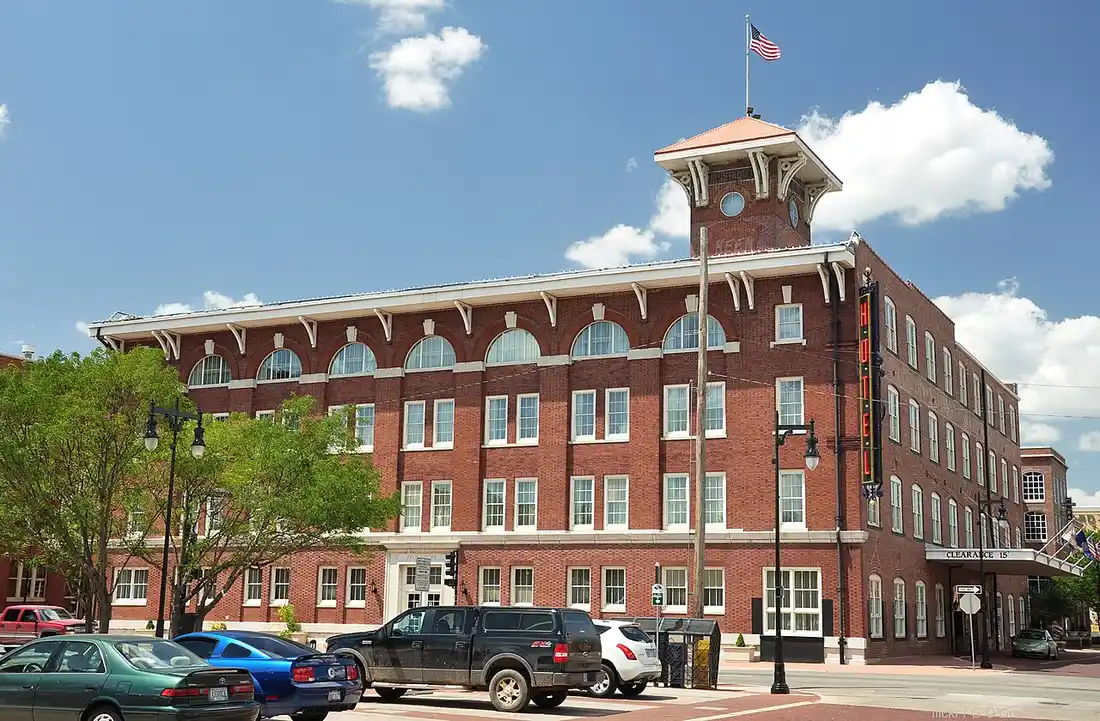
Old Town is Wichita's entertainment district, built from the brick warehouses of the late 1800s around the old railroad lines. Brick streets, converted lofts and restaurants fill the blocks - buildings whose plumbing was rebuilt for kitchens, bars and apartments over the bones of warehouse-era iron pipe.
The details of the neighborhood matter for this work. Converted warehouse and commercial buildings, plus older homes on the surrounding streets, many with plumbing reworked more than once for new uses - and that shapes the plumbing work directly. Reworked buildings carry reworked problems: grease in restaurant drains, undersized lines asked to serve lofts they were never drawn for, and old iron that flakes scale into every aerator. For leak detection in Old Town, detection calls here isolate before they listen - territory first, then the mark.
There is a reason crews know Old Town by its landmark: the pattern near the Old Town brick warehouse district and the Museum of World Treasures - old stock, new stock, river ground, edge ground - repeats faithfully across the whole map.
The residential streets behind the district are classic old-Wichita - galvanized supply, cast-iron drains, clay laterals under brick streets..
On the ground, Old Town is wichita neighborhood territory in ZIP 67202, organized around the Old Town brick warehouse district and the Museum of World Treasures and shading into Downtown Wichita on one side and College Hill on another. Crews running leak detection here work from that geography outward: the calls cluster where the systems are oldest, the ground is wettest or the exposure is sharpest, and the route that serves Old Town this week serves Midtown the next, because the water, the clay and the seasons do not respect the boundary lines the map draws between them.
There is a reason the route books treat Old Town as its own stop: ZIP 67202 and the blocks around the Old Town brick warehouse district and the Museum of World Treasures carry a plumbing profile that Downtown Wichita does not share and College Hill only partly echoes. The systems here were installed in their own era, to their own standard, in this neighborhood's particular ground - and leak detection that ignores the profile produces generic work, while work that starts from it produces the kind that stays done through the seasons that test this part of the county hardest.
Signs Old Town Homes Need Leak Detection
The sound of running water in a quiet house
A hiss or rush heard at night through a wall or floor, with nothing open, is a pressurized leak close enough to hear.
A water meter that moves with everything off
The system's own confession: with every fixture closed, a turning meter means water is leaving somewhere.
A warm spot on the floor
A hot-water slab leak heats the concrete above it - the classic barefoot diagnosis of the slab suburbs, where the line runs in or under the pour.
Why This Work Runs in Old Town
Pressure and isolation do the narrowing before the listening begins. The house is divided into territories - service line, hot side, cold side, irrigation - and each is proven tight or guilty in turn, so the acoustic work happens in the right room, the right wall, the right stretch of yard. Half of detection is this bookkeeping; it is what keeps a slab from being opened on a hunch or a yard trenched on a hope.
Reworked buildings carry reworked problems: grease in restaurant drains, undersized lines asked to serve lofts they were never drawn for, and old iron that flakes scale into every aerator. The residential streets behind the district are classic old-Wichita - galvanized supply, cast-iron drains, clay laterals under brick streets.
In Old Town, that plays out street by street - for detection, watch the meter with everything off - its pace is the first testimony. The Old Town file, in one line: know the stock, know the water, and the work list shortens itself.
Fall's quieter risk is the backlog. Every small finding the wet season exposed - the slow drain, the weeping joint, the heater that rumbled through August - sits waiting for the first hard freeze to grade it. The fall habit that pays is the short list done early: the drain cleared, the joint renewed, the heater assessed, the outdoor lines closed. Winter charges interest on every item still open when it arrives.
Expect the findings to be specific: this joint, that valve, the sediment depth in the tank, the belly at the forty-foot mark. Vague findings produce vague results. A visit that ends with a map - of defects, of stock, of what gets fixed and what gets watched - is a visit that was worth booking, whatever the system turns out to need.
In this part of the county the season is not background - it is the schedule. Old Town homes that work a season ahead stay ahead.
Homeowners in Old Town ask what they should do before the visit. The answer is access, not cleanup: clear the shutoffs, the heater closet and the path to the cleanout, and secure the pets. The evidence should stay exactly where it is.
How Leak Detection Works in Old Town
The full step-by-step process for this service - diagnosis, scope, the work itself and follow-up - is laid out on the main Leak Detection page. In Old Town the same sequence runs with the local map in hand: the systems around the Old Town brick warehouse district and the Museum of World Treasures, the housing pattern described above, and the ground this neighborhood actually stands on.
The Old Town Angle
Ask anyone who works plumbing in Old Town and they will tell you the pattern repeats: the same failures, the same seasons, the same few streets calling first. The building stock sets the diagnostic route. Converted warehouse and commercial buildings, plus older homes on the surrounding streets, many with plumbing reworked more than once for new uses.
And the systems underground carry their own local accent. Reworked buildings carry reworked problems: grease in restaurant drains, undersized lines asked to serve lofts they were never drawn for, and old iron that flakes scale into every aerator. The residential streets behind the district are classic old-Wichita - galvanized supply, cast-iron drains, clay laterals under brick streets. That is why leak detection in Old Town is planned from diagnosis rather than from a script - the visit reads this map before any scope is chosen.
Old Town does not sit alone on the map. It shares the same water, the same clay and the same freeze-thaw winters as Downtown Wichita, College Hill and Midtown - the same supply runs through all of them, the same soil works their buried lines, and the same seasons move through all of them within the same few weeks. The neighborhoods lean on each other here: the same freeze night tests them all within the same few hours.
On the route map, Old Town sits in the wichita neighborhood group, ZIP 67202 - close enough to Downtown Wichita, College Hill that crews work them on the same runs. That local memory is the quiet advantage of route-based work in Old Town.
There is a pattern to when Old Town calls, and it is not random: the first hard freeze after a wet fall, the first deluge after a dry spring. Both find the same defects, and both are predictable - which is the entire argument for the service that happens between them.
Prevention That Helps in Old Town
- Read your meter twice a year with everything off and write the result down; the baseline is what makes the leak's first month visible.
- After any slab repair, keep the detection report; a second leak nearby is a line-condition story, and the file proves the pattern.
- Know both shutoffs - house and meter - so a found leak can be stopped at a word while its repair is scoped.
Converted warehouse and commercial buildings, plus older homes on the surrounding streets, many with plumbing reworked more than once for new uses.
Keep Exploring
Leak Detection nearby:
- Leak Detection in Downtown Wichita
- Leak Detection in College Hill
- Leak Detection in Midtown
- Leak Detection in East Wichita
More services in Old Town:
- Water Heater Installation in Old Town
- Water Heater Repair in Old Town
- Drain Cleaning in Old Town
- Tankless Water Heaters in Old Town
See the full plumbing page for Old Town and the Leak Detection overview for Wichita.
Leak Detection in Old Town - Questions
How does leak detection work without digging in Old Town?
By sequence: pressure and meter tests first isolate which part of the system is losing water; then acoustic instruments listen along the line's path for the hiss a pressurized leak makes, strongest at its source; moisture and temperature reads confirm. The dig, when it comes, is the verification of a conclusion the instruments already reached - one opening, at the mark.
How accurate is acoustic detection in Old Town's clay soil?
Good, with the ground's cooperation honestly graded. Wet clay conducts leak noise kindly; very dry soil and deep lines mute it, and a careful detection says so and leans harder on pressure isolation and tracing. Beware any mark offered without its evidence - in detection, the confidence statement is part of the product.
What affects the cost of Leak Detection in Old Town?
The system, not the address: what failed and in what material, how reachable it is, how much of the system the honest scope includes, and what the ground, the slab or the wall asks of the crew. The explanation comes before any work begins, and the scope in writing is what the work follows.
A Burst Pipe, a Backed-Up Drain or a Water Heater Gone Cold?
One call connects you with a plumbing professional serving Wichita and the surrounding communities - diagnosis, repair and a clear scope before work starts.
📞 Call Now